The process wall
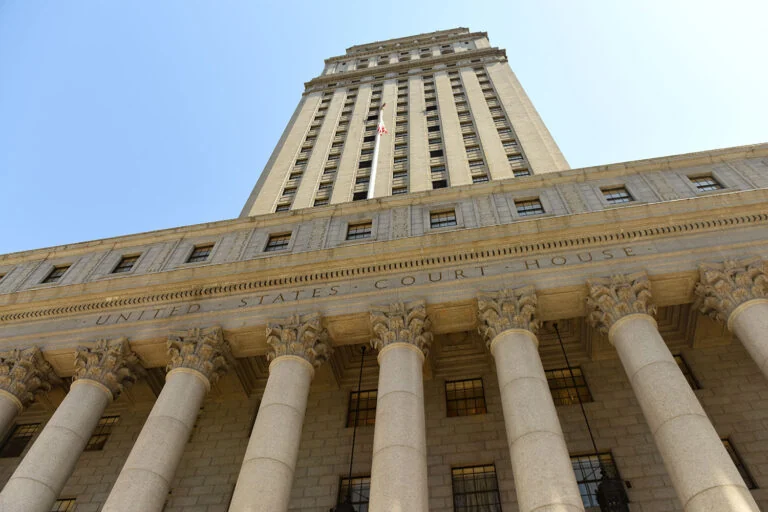
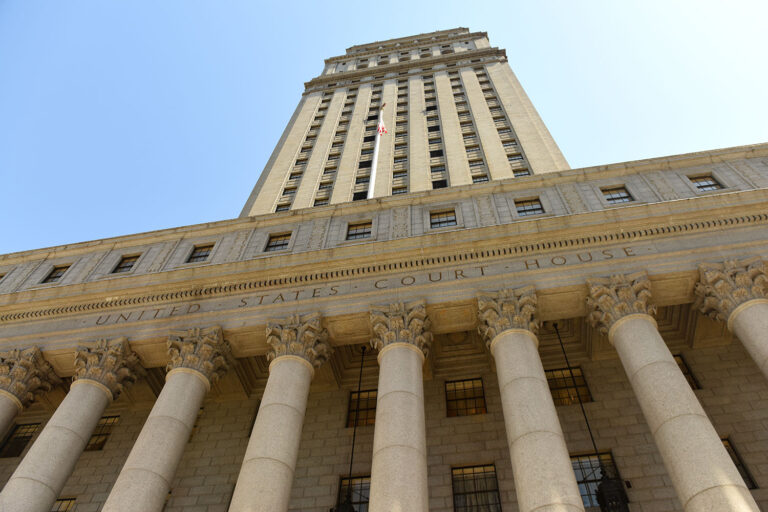
On 19 September 2023 the Authors Guild and seventeen named authors — among them John Grisham, George R.R. Martin, Jodi Picoult and Jonathan Franzen — filed a class-action complaint against OpenAI entities in the Southern District of New York. The docket lists the case as 1:23-cv-08292, cause ‘17:501 Copyright Infringement.’ For a working novelist, the wall named in the suit is upstream of any single manuscript: the claim concerns what happened to books before a reader or a rival tool ever saw an output, during the training of a general-purpose model.
What the documents show
The Authors Guild's own announcement of the filing frames the allegation in its own words: CEO Mary Rasenberger said ‘it is imperative that we stop this theft in its tracks,’ and the release characterises GPT outputs as ‘mere remixes without the addition of any human voice.’ These are the plaintiffs' own characterisations of harm, not findings; the complaint itself alleges unauthorised use of copyrighted books to train the models. The Guild's advocacy page adds that Microsoft was later added as a defendant and that a separate non-fiction authors' suit was consolidated with this one for pretrial purposes. The docket's own entries, as retrieved, run through pro hac vice admissions in late April 2024 and note the case is coordinated with related suits 1:23-cv-10211-SHS and 1:24-cv-00084-SHS; no ruling on the merits appears among the entries reviewed.
Authorship and limitation
The mechanism worth separating here is a licence from a copy: the dispute is not chiefly about whether a finished book was copied verbatim into an output, but whether using copyrighted text to compute a model's parameters ever required a licence at all. That is precisely the fair-use question a court has not yet resolved for this case. Describing OpenAI as having ‘stolen’ the plaintiffs' books restates an allegation as if it were an adjudicated fact; the record supports only that the claim has been made, that specific plaintiffs and specific registered works are named, and that the litigation continues.
What survives
Whatever the outcome, the filing itself already produced something makers can use now: it is one reason writers' organisations, including this Guild, began publishing model contract clauses addressing AI training rights directly, rather than leaving the question to litigation alone. A maker with a specific concern can check whether a work appears among plaintiffs' listed registrations, and can track the docket rather than a headline for the case's live status.
- Check the docket directly for the current status of the fair-use question before repeating a claimed outcome.
- Read the Guild's own statement to see how it frames harm, separately from the complaint's formal legal claims.
- Compare this suit's underlying demand — consent before training — against a publisher's own model AI contract clause.
As of retrieval the case remains an unresolved allegation coordinated with related suits, not a finding against any defendant, and any summary that states otherwise is describing the record inaccurately.
Sources & reading trail
Confirms filing date, case number, cause of action, named plaintiffs and defendants, and docket entries through April 2024.
Source published: Not established · Retrieved: 16 September 2026
Gives the Authors Guild's own characterisation of the lawsuit's purpose and harms in its own words.
Source published: 20 September 2023 · Retrieved: 16 September 2026
Notes Microsoft's later addition as a defendant and consolidation with a related non-fiction authors' suit.
Source published: Not established · Retrieved: 16 September 2026
Papers, documentation, rulings and the makers' own records establish the note; the authorship reading and what-survives are Creative AI editorial analysis. This retrospective draft does not imply the site published on the event date.