History / Process note001
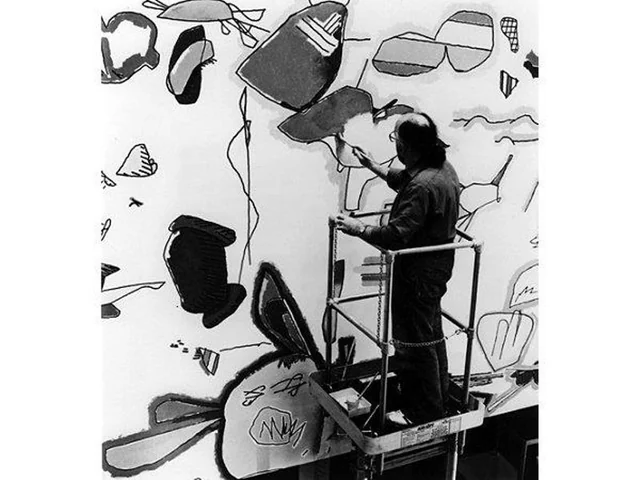
Harold Cohen kept the rules and let AARON draw the arrangements
Museum records describe AARON as Cohen's decades-long research tool, not a stand-alone artist.
1973 record
3 min readRead note ↗
Retrospective process notes / 100 notes
Model releases, tool launches, rulings, guild terms, studies and the older precedents behind creative AI, each read from the maker's bench: what the tool does, where the human decisions sit, and what survives.
Historical event dates and source dates are separate from the preparation date of this local edition. Every note is a retrospective draft prepared 16 September 2026; none was published on its historical date.
100 notes
Museum records describe AARON as Cohen's decades-long research tool, not a stand-alone artist.
Pompidou and MoMA records describe a quantified disorder Molnar set herself, not open-ended randomness.
Processing's own records describe a teaching tool for traceable visual code, not one-click images.
The GAN paper and its NeurIPS record describe adversarial training, not memorised training images.
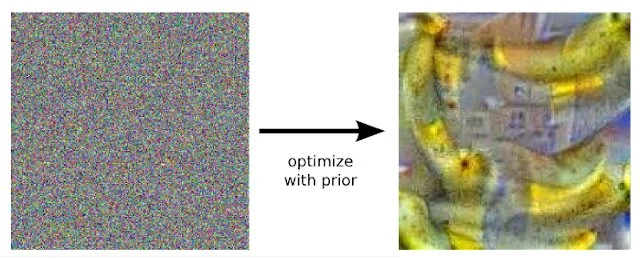
Google's 2015 post describes DeepDream as diagnostic gradient ascent, not a built creative tool.
Gatys, Ecker and Bethge's paper and its CVPR version describe optimisation, not brushwork transfer.
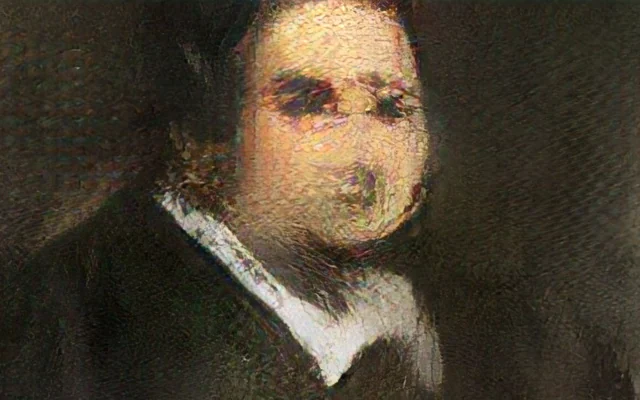
The lot record, Christie's own story and contemporaneous reporting describe a contested code lineage.
NVIDIA's paper and repositories describe a style-based generator and a Flickr-sourced dataset's terms.
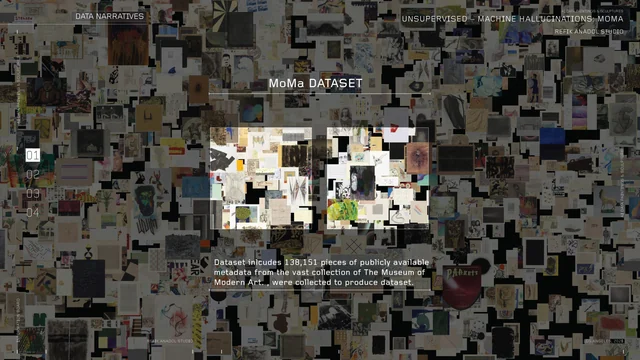
The museum names publicly available data; the studio names a specific processed image count.
The 2021 announcement and paper describe a scoring model and its own stated limits on counting and wording.
OpenAI's 2022 announcement and beta record inpainting and variations, and stated safety limits, not the training data.
Midjourney's own version history dates the July 2022 open beta and shows why a Discord bot changed iteration.
The August 2022 release and its model card name the LAION training data, the OpenRAIL licence and stated biases.
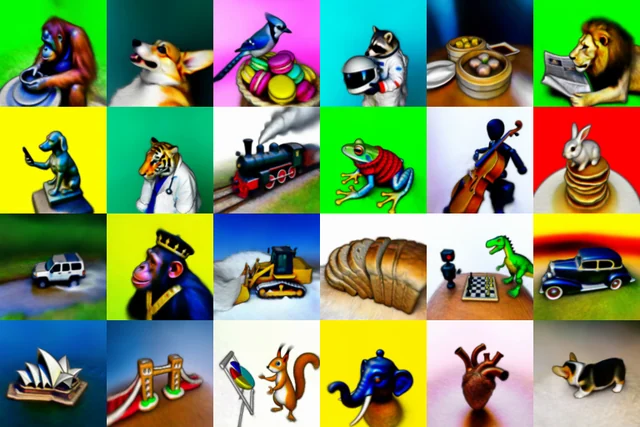
The 2021 latent diffusion paper explains the mechanism behind Stable Diffusion's speed and its text artefacts.
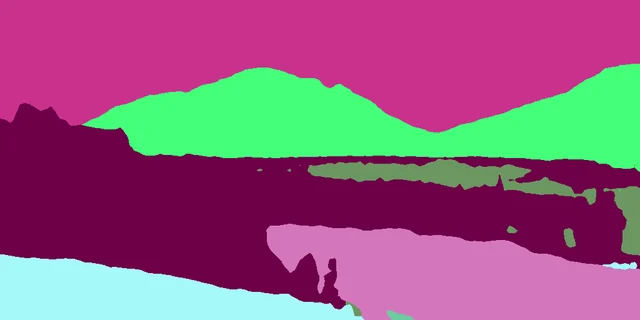
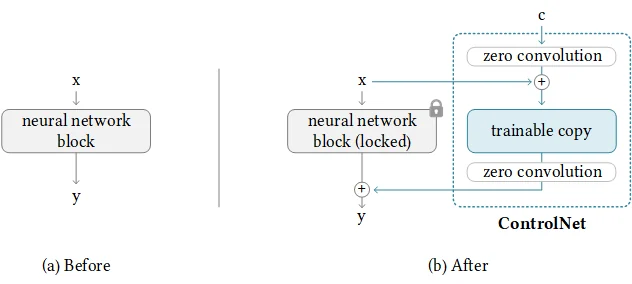
A frozen-copy training method let makers steer generation with edges, depth and pose, the 2023 paper shows.
Firefly's 2023 announcement and FAQ tie a commercially safe claim to Stock, licensed and public domain images.
The 2023 Generative Fill release and help guide document a non-destructive layer, not a pixel edit.
OpenAI's 2023 announcement and system card describe prompt rewriting, artist refusals and a training opt-out.
Black Forest Labs' 2024 launch and model cards tie FLUX.1's tiers to commercial, non-commercial and open terms.
The 2025 announcement and system card name text, graphing and cropping limits alongside the capability claims.
Runway's own research pages describe Gen-1's structure-conditioned editing and Gen-2's move to text-to-video.
OpenAI's technical report and release post describe Sora narrowing from a research demo to a capped product, later withdrawn.
Google's model card and technical report describe Veo 3's joint audio-video diffusion and its stated limits.
Kling's and Hailuo's own pricing and terms describe metered compute and a broad reserved licence, not a finished cut.
The AnimateDiff paper and repository describe adding motion to personalised diffusion models without retraining them.
The NeRF paper describes optimising a volumetric scene representation from posed images to synthesise new views.
The SIGGRAPH paper describes representing captures as 3D Gaussians for real-time rendering, under a research-only licence.
The DreamFusion paper describes distilling a 2D diffusion prior into a NeRF, with named artefacts and no 3D training data.
Epic's early-access announcement and current documentation describe MetaHuman Creator's pipeline and Unreal Engine dependency.
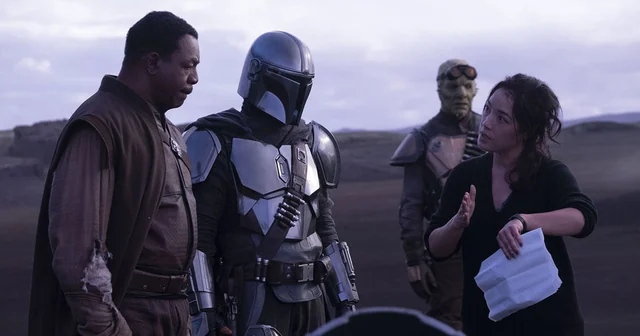
Epic's and ILM's own accounts describe how real-time rendering on set replaced location shoots for The Mandalorian.
A 2023 Copyright Office letter on 'Zarya of the Dawn' kept the comic's text and arrangement but cancelled the Midjourney images' registration.
A March 2023 Copyright Office policy statement requires applicants to disclose AI-generated content and claim only their own human contribution.
The D.C. Circuit affirmed that a machine cannot be a copyrighted work's author, but left open what a maker who directs a model can claim.
The Copyright Office's January 2025 report finds prompts alone insufficient for authorship but protects human selection, arrangement and edits.
Two federal orders in Andersen v Stability AI let artists' copyright claims proceed against four AI image companies while dismissing DMCA claims.
The High Court found Stability AI infringed Getty's trade marks in limited, historic cases, but that Stable Diffusion is not itself an infringing copy.
From 2 August 2025 the EU AI Act requires general-purpose model providers to summarise training content and honour artists' machine-readable opt-outs.
Spawning's Have I Been Trained and ai.txt let artists search datasets and signal an opt-out, a tool the company says depends on voluntary honour.
Japan's 2019 copyright amendment lets AI systems analyse works without a licence unless a person perceives them; 2024 agency guidance sets its limits.
Researchers built Glaze to shift how a model learns an artist's style and Nightshade to corrupt a model's prompt-to-image associations.
Figma's own posts describe the commissioned design-system library behind Make Designs and why the feature was pulled back.
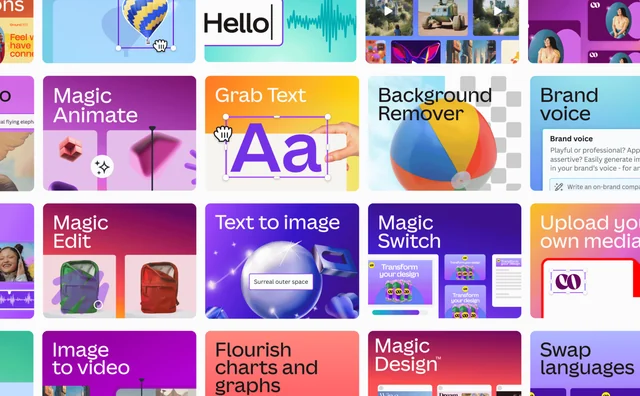
Canva's announcement and its Shield page describe what Magic Studio bundles and what its creator-payment and indemnity claims cover.
Adobe's own posts and its current terms describe what changed after a re-acceptance prompt alarmed creators over content access.
ArtStation's own FAQ pages describe the NoAI tag it built after community concern and what the tag actually does.
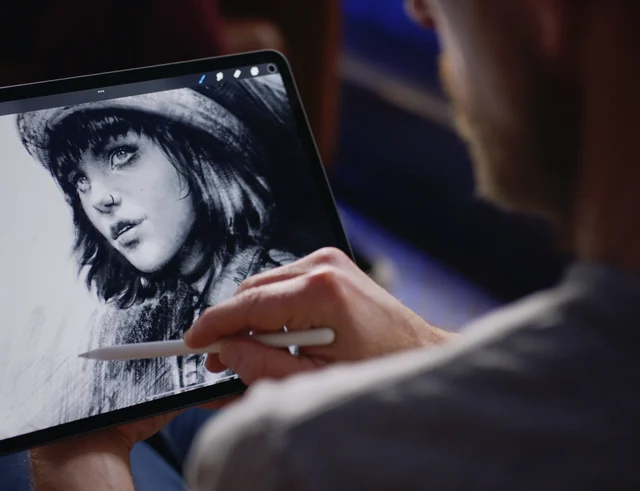
Procreate's own statement says why it will not build generative AI and describes the by-design privacy claim behind that refusal.
Celsys's own notices describe the Stable Diffusion feature it announced and pulled after listing the community's objections.
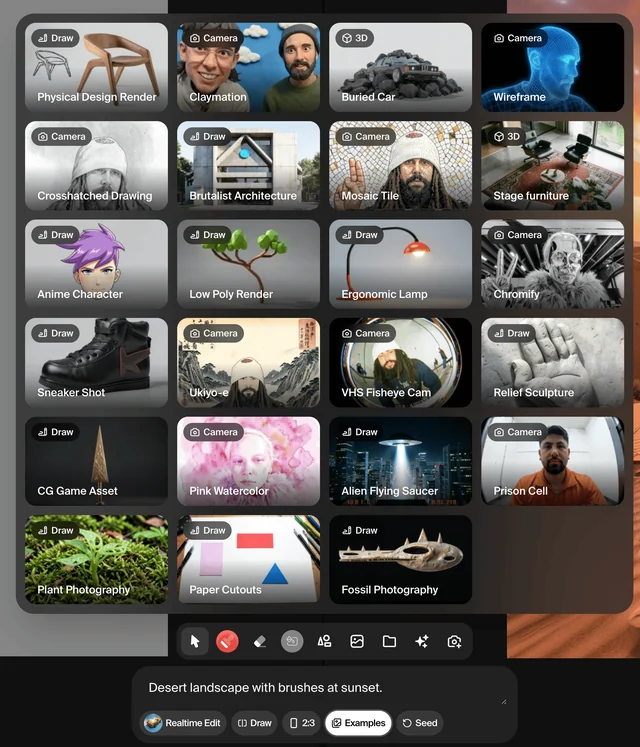
Krea's documentation describes how a live canvas drives a fast image-generation loop instead of a single render step.
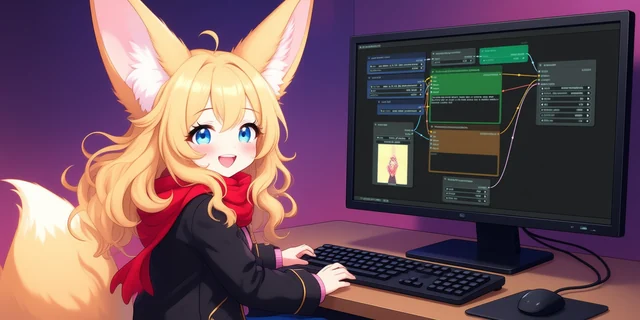
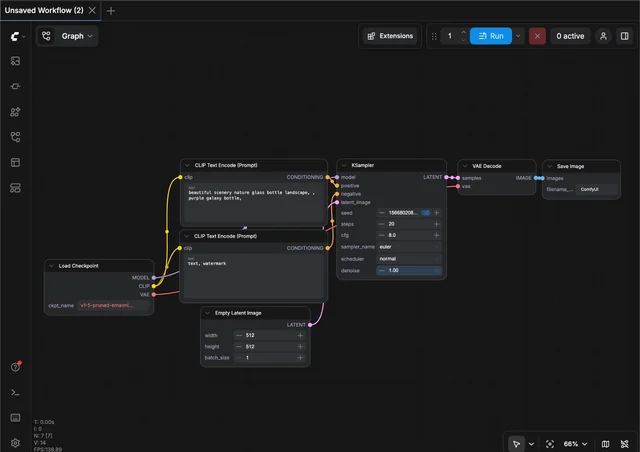
ComfyUI's repository and documentation describe how a saved graph, or even a PNG file, carries the exact steps.
The LoRA paper and its image-community adoption describe a small file that redirects a frozen model toward a style.
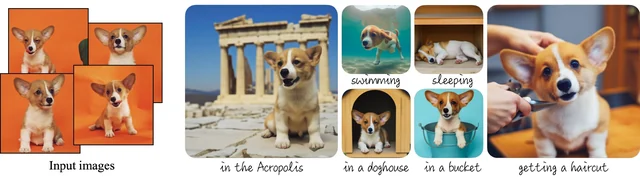
DreamBooth's paper and project page describe the method's identifier binding and its own stated misuse risk.
The 2023 WGA agreement keeps AI text out of credit and lets writers refuse the tools without being forced by a studio.
SAG-AFTRA's 2023 agreement defines two kinds of digital replica and requires advance notice, consent and pay for each.
The Animation Guild's 2024 contract requires notice before AI is a job requirement and bars using crew likenesses to train it.
The Academy's 2025 Oscars rules say generative AI neither helps nor hurts a nomination, judged by human creative authorship.
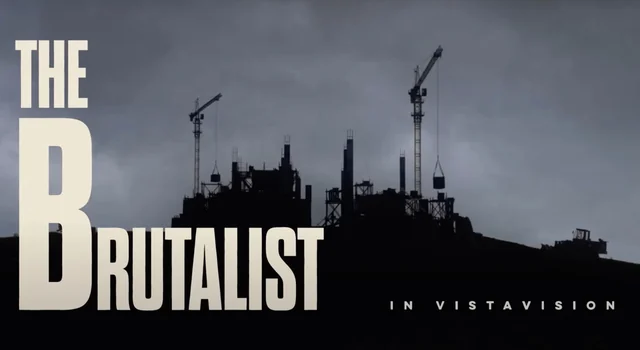
The Brutalist's editor and director described an AI tool used only to refine Hungarian vowels, not to alter performance or English dialogue.
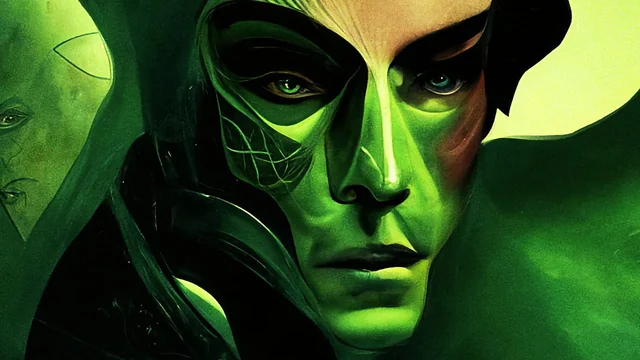
Method Studios says a custom AI tool built Secret Invasion's title sequence and that no artists' jobs were replaced.
Netflix's co-CEO said its in-house VFX group used generative AI to finish a building-collapse shot in El Eternauta ten times faster.
Lionsgate's 2024 deal let Runway build a model on its film library, and neither announcement addresses the people in that library.
OpenToonz opened Studio Ghibli's long-customised Toonz software under a BSD licence, without touching the rights to any film made with it.
Toys R Us and Native Foreign's Sora-made film relied on human rejection of bad iterations, but carried no on-screen AI disclosure.
A paper reports exact counts of near-duplicate training images extracted from Stable Diffusion and Imagen, and compares the rate to GANs.
A Stanford audit counted suspected unlawful images among LAION-5B's indexed links, and the dataset's own release notes state its intended use and limits.
SDXL's own limitations section and a text-rendering paper name different causes for bad hands and illegible text, and what each requires to fix.
Two 2022-2023 papers measured how generators represent occupations, gender and ethnicity against labour data, with stated methods and findings.
FID compares feature statistics across image sets; ImageReward and Pick-a-Pic instead learn from human comparisons, each bounded by its own rater pool.
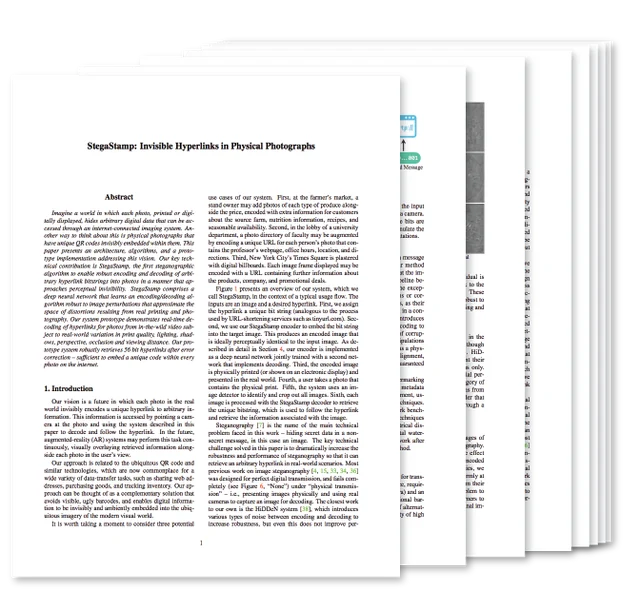
The C2PA specification defines a chained, signable record of edits; its own documents state adoption is opt-in and its metadata can be stripped.
DeepMind's SynthID embeds an imperceptible signal in generated pixels; its own documents state what it survives and what it cannot cover.
World Press Photo's current rules bar synthetic images outright but permit tools that neither add nor remove camera-captured information.
Boris Eldagsen won and declined the Sony World Photography Awards' Creative category in 2023 after disclosing AI use, as both statements record.
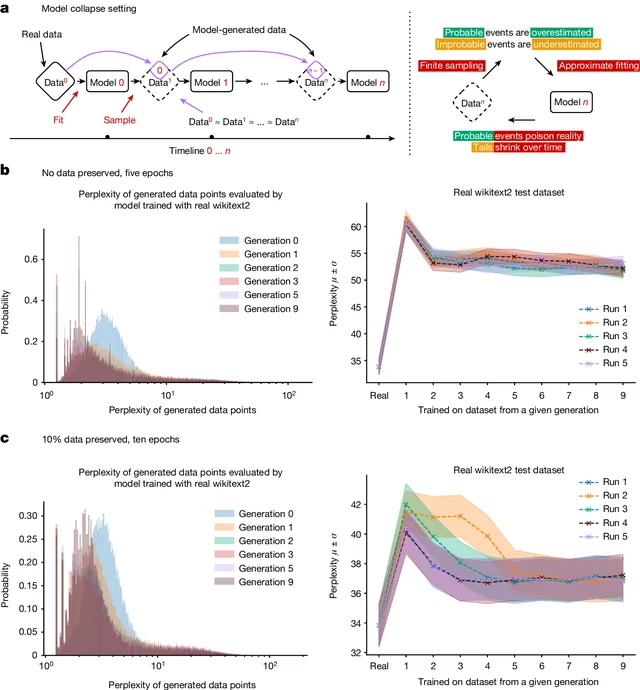
Shumailov et al. define 'model collapse' in language models, autoencoders and Gaussian mixtures, and state its implications for training data.
Sudowrite's own terms keep content ownership with the writer while licensing broad use of the file, as retrieved on 16 September 2026.
A federal docket and the Guild's own statement record the claims against OpenAI and the case's status as of retrieval.
The Guild's own account of the order and settlement records what was ruled fair use, what was not, and what followed.
KDP's own guidelines define AI-generated versus AI-assisted content and set the disclosure duty on origin, not on edits.
The editor's own tracking records a submissions spike and the closure it prompted within days.
The organisation's posts on a 2024 AI dispute and a 2025 closure report describe separate, only partly linked pressures.
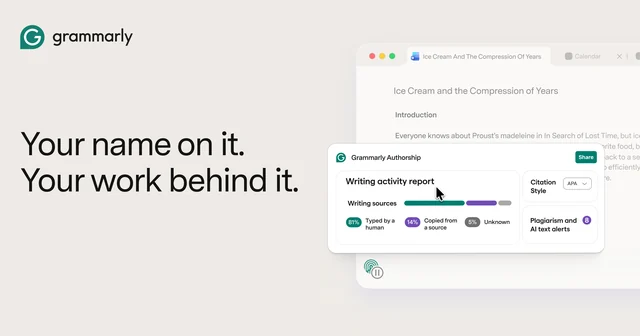
Grammarly's own documentation describes a process record, what it captures, and where it states its own tracking can fail.
Model contract clauses and disclosure guidance describe what a publishing deal should promise about AI use, in the Guild's own language.
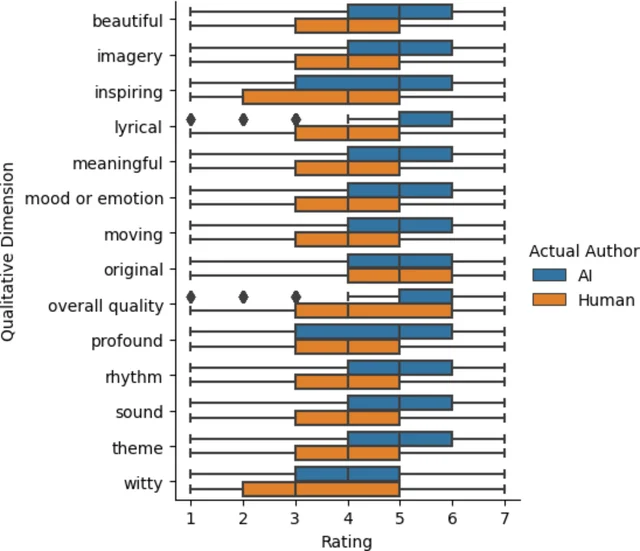
A Scientific Reports study of 1,634 readers found below-chance detection and higher ratings for machine poems styled on ten poets.
A controlled writing experiment found AI ideas raised individual story ratings while making assisted stories more alike.
Getty's launch and generation page show a licensed-only claim paid for by contributor royalties and tiered legal cover.
Shutterstock's 2022 release and current FAQ separate training-data royalties from a hard refusal of AI submissions.
Adobe labels and accepts generated submissions, Shutterstock refuses them, and Getty keeps its own generator's output out of the library.
The current terms tie asset ownership above a revenue threshold to the Pro or Mega plan, named in the pricing page.
OpenAI's Copyright Shield and Adobe's Firefly indemnity both attach conditions, exclusions and, for Adobe, a stated dollar cap.
Civitai's rules ban real-person likeness proactively but leave a living artist's style protected only by a reactive takedown notice.
Hugging Face's documentation and the 2022 OpenRAIL post show disclosure and enforceable use-limits are two separate layers a maker must check.
FLUX's model card, ComfyUI's requirements and a flagship card's memory spec show VRAM, not clock speed, is the local-generation limit.
Midjourney, Runway and Firefly pricing pages show proprietary usage units, tiered feature gates and discounted first-year rates, as retrieved.
The 2023 bonus announcement gives its calculation basis while opening Adobe Stock to the labelled Firefly images it also describes.
Photoshop's own documentation and ComfyUI's docs describe generation as staged output a maker must select, composite and mostly discard.
The Office's 2023 guidance and the Zarya of the Dawn decision show what disclosure and exclusion actually require.
FLUX.1 dev and Stable Diffusion 3.5 Large show what a model card does and does not say about training data and use.
The tool's own documentation, the registrar's guidance, and Glaze's technical page draw three different boundaries around style.
World Press Photo, Content Credentials and YouTube's policy each set a different bar for disclosing generated work.
A 2024 statute, a union agreement and a platform policy each require consent before generating a real person's likeness.
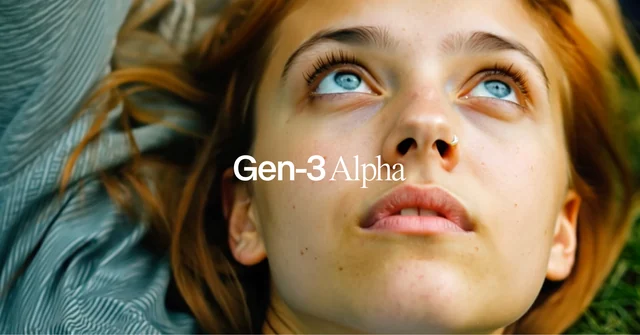
Sora, Runway Gen-3 Alpha and Veo 3's own documents set different duration, resolution and control limits for a generated plate.
Papers on memorisation and model collapse show what iterating on generated data preserves and what it erodes.
EU law, OpenAI's own help pages and a code of practice each define opt-out differently, at different depths.
Firefly's FAQ, OpenAI's service terms and the registrar's guidance define what a client briefing actually needs to cover.
Try another category or clear your search.