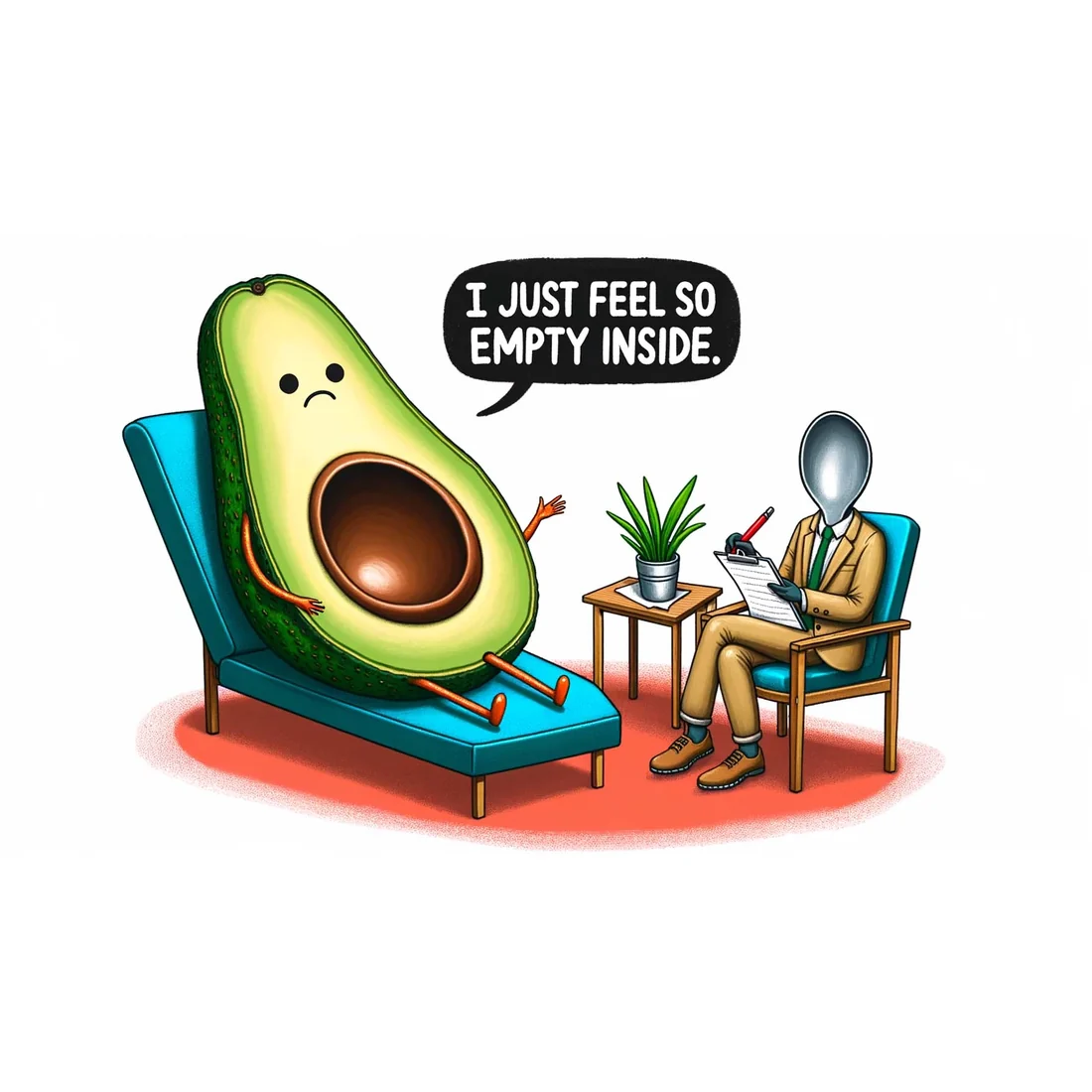
The process wall
On 20 September 2023, OpenAI folded its image generator into a chat assistant rather than a prompt box. The announcement states that DALL-E 3 is built natively on ChatGPT, which lets a user brainstorm and refine prompts in conversation: describe an idea in a sentence, and ChatGPT generates a tailored, detailed prompt for DALL-E 3. The process wall this removed was prompt engineering itself; the announcement frames earlier text-to-image systems as tending to ignore words or descriptions, forcing users to learn prompt engineering, and positions the chatbot layer as the fix.
What the documents show
The system card, published 3 October 2023, states plainly that image-caption pairs were drawn from a combination of publicly available and licensed sources, and that GPT-4 will interface with the user in natural language and then synthesize the prompts sent directly to DALL-E 3, confirming in OpenAI's own words that the text a user types is not the text the image model receives. The announcement adds two specific policy mechanisms: the model is designed to decline requests that ask for an image in the style of a living artist, and creators can now opt their images out from training of future image generation models. The system card also describes an internal provenance classifier, a tool OpenAI says it was researching to help identify whether a given image was produced by DALL-E 3, distinct from any label attached to the image itself.
Authorship and limitation
Prompt rewriting is the mechanism that most changes authorship here: because GPT-4 restates a user's idea into the prompt DALL-E 3 actually executes, a maker's own wording is one step removed from the model's input, which makes reproducing a specific output harder than with a direct prompt interface. The living-artist refusal is a content policy enforced at generation time, not a guarantee that no output can resemble a named artist's style through indirect description; the opt-out affects future training runs, not a retroactive removal from any model already trained. Both are OpenAI's stated policies as of publication, not properties verifiable from an image alone.
What survives
A maker can still control the idea and the selection from a set of outputs, and can now register an opt-out request for future training, though the system card does not describe how that request is verified or enforced. Editorially, a process note describing DALL-E 3 work should distinguish a user's original prompt from ChatGPT's rewritten one, since the two are documented as different pieces of text doing different jobs.
- Compare a typed idea against the tailored prompt ChatGPT generates from it, where visible, before crediting a specific wording.
- Read the system card's account of the living-artist refusal policy before assuming it prevents all style resemblance.
- Check whether an opt-out request applies to future training only, as the announcement states, rather than to models already released.
The integration's real shift is procedural: prompting became a conversation mediated by a second model, a genuine change in where a maker's authorship sits in the pipeline, not merely a quality improvement over DALL-E 2.
Sources & reading trail
States the ChatGPT-native prompt rewriting, the living-artist refusal policy, and the training opt-out.
Source published: Not established · Retrieved: 16 September 2026
States the training data description and how GPT-4 synthesizes prompts sent to DALL·E 3.
Source published: 3 October 2023 · Retrieved: 16 September 2026
Papers, documentation, rulings and the makers' own records establish the note; the authorship reading and what-survives are Creative AI editorial analysis. This retrospective draft does not imply the site published on the event date.