
The process wall
A shot list built for generated plates runs into a hard limit before it runs into anything creative: how long a clip can be and what controls reach it. OpenAI's Sora System Card states that “users can create videos up to 1080p resolution (20 seconds max)” from text, image, or video inputs, and that existing footage can be “enhanced, remixed, and blended” rather than only generated from scratch. That duration and resolution ceiling is the frame a shot list has to be built around, not a target it can push past.
What the documents show
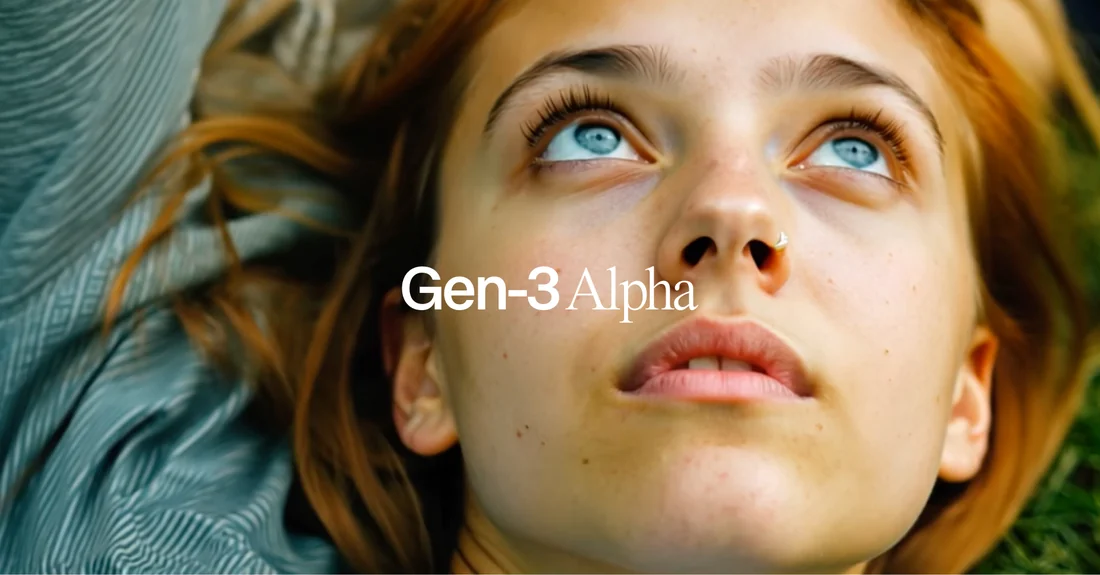
Runway's own announcement of Gen-3 Alpha, dated 17 June 2024, describes the model as powering “Text to Video, Image to Video and Text to Image tools” with “existing control modes such as Motion Brush, Advanced Camera Controls, Director Mode,” emphasising “fine-grained temporal control” and “precise key-framing of elements in the scene,” though the announcement itself does not state a maximum clip length. Google's Veo 3 Model Card, published 23 May 2025, describes a system built on “latent diffusion” that takes “natural-language text strings” and images as input and generates video “with audio,” trained on video, audio and image data “annotated with text captions at different levels of detail.” Read together, the three documents describe three different levers on the same kind of plate: a hard duration ceiling, a set of named camera and motion controls, and native audio generated alongside the picture rather than added afterward.
Authorship and limitation
The human decisions these documents leave in place are the shot list itself and the reference material fed in: which frame becomes an image-to-video seed, which camera move is named through Runway's control modes, which prompt describes the audio Veo 3 generates alongside the picture. None of the three documents claims the system follows instructions exactly; Runway names control modes without claiming precise obedience, and none of the three states what underlying footage or images were used to train the model beyond Veo 3's own general description of “video, audio, and image data” annotated and filtered before training.
What survives
This is an editorial reading built from three vendor documents, not a workflow guarantee: what a maker keeps across a study like this is the shot list mapped against each tool's actual stated ceiling — Sora's 20-second, 1080p limit being the clearest of the three — plus the reference frames and prompts that produced a kept plate, since none of these documents describes the generation itself as repeatable without them.
- Check a tool's own system card or announcement for a stated maximum duration and resolution before building a shot list around it.
- Note which named control (Motion Brush, Advanced Camera Controls, image-to-video seed) was used for each kept plate, not just the prompt text.
- Ask whether audio was generated natively alongside the video or added in a separate edit, since the documents describe this as a named architectural difference.
None of these three documents promises a plate will match a shot list; each simply states, in its own terms, what ceiling and which controls a maker is actually working within.
Sources & reading trail
States the 1080p/20-second output limit and the remix/blend features for existing assets.
Source published: Not established · Retrieved: 16 September 2026
States the text/image-to-video capability and named control modes (Motion Brush, Advanced Camera Controls, Director Mode).
Source published: 17 June 2024 · Retrieved: 16 September 2026
Describes the latent-diffusion architecture, native audio generation, and training data description.
Source published: 23 May 2025 · Retrieved: 16 September 2026
Papers, documentation, rulings and the makers' own records establish the note; the authorship reading and what-survives are Creative AI editorial analysis. This retrospective draft does not imply the site published on the event date.