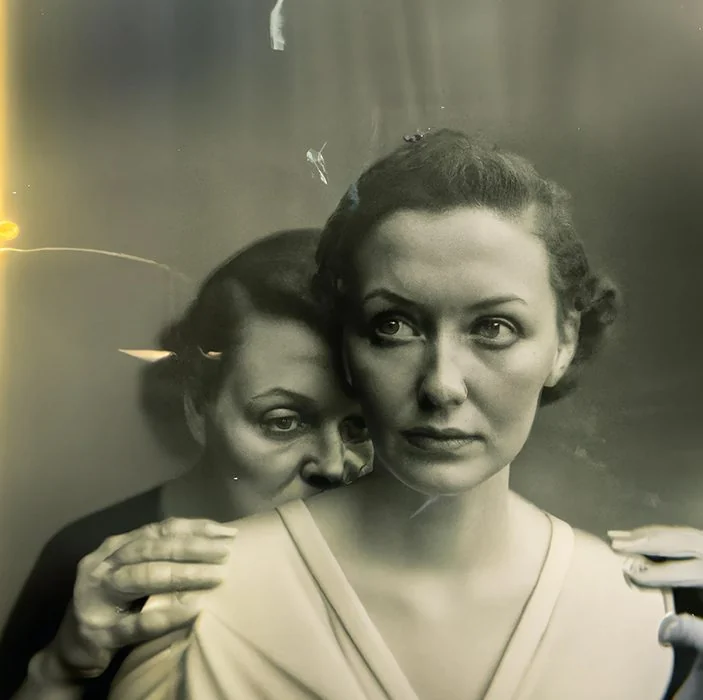
The process wall
Boris Eldagsen entered an image titled 'The Electrician' into the Creative category of the Sony World Photography Awards 2023 Open competition, and won it. Before the winner was announced, by his own account and as later quoted by the organisers, he told them directly that the image involved AI: after 'two decades of photography, my artistic focus has shifted more to exploring creative possibilities of AI generators', while stressing the image relied on his 'wealth of photographic knowledge'. At the award ceremony on 13 April 2023, he declined the prize on stage. The process wall here is procedural as much as artistic: a contest built around a warranty system, where entrants self-certify their process, had to decide in real time whether a disclosed AI process still fit its category.
What the documents show
Eldagsen's own statement describes his method as 'a complex interplay of prompt engineering, inpainting and outpainting', which he calls 'co-creation, in which I am the director', and for which he coined 'promptography' to mark it apart from photography. He entered 'as a cheeky monkey, to find out, if the competitions are prepared for AI images to enter', concluding 'they are not'. The organisers' side is on record in a statement reported on 17 April 2023: a spokesperson confirmed Eldagsen had disclosed the image's 'co-creation... using AI' before the win, that the Creative category 'welcomes various experimental approaches to image making from cyanotypes and rayographs to cutting-edge digital practices', and that on that basis they had been 'supportive of his participation' before he declined and was removed at his own request.
Authorship and limitation
The mechanism in dispute is what a warranty-based entry system can verify: the organisers relied on Eldagsen's own account of his process rather than an independent check, which is why they describe his 'subsequent statement' as 'invalidating the warranties he provided' once his intent to test the category became public, rather than treating the AI use itself as the breach. Eldagsen's framing draws a different line: he argues AI images and photography 'are different entities' that 'should not compete... in an award like this', locating the authorship question in category fit rather than in any claim his image lacked creative direction.
What survives
What survives as a documented precedent, editorially, is that a major contest's warranty system was tested and responded to publicly rather than quietly amended, and that both statements agree on the sequence of disclosure and refusal even where they disagree on what it proved.
- Read Eldagsen's own account of the entry and refusal on his website.
- Read the organisers' full statement as quoted in contemporaneous reporting.
- Check a contest's current entry rules for whether AI disclosure is now required at submission rather than left to a post-win warranty.
Both records agree on what happened and disagree on what it meant, which is itself the useful fact: a category built for experimental process met a disclosed AI entry, and the public disagreement it produced is what a maker can trace into contest rules that followed.
Sources & reading trail
The artist's own statement describing his creative process, why he disclosed AI use before the win, and why he declined the prize.
Source published: Not established · Retrieved: 16 September 2026
Reports the sequence of events and quotes the World Photography Organisation's own statement on the disclosure and the entry's removal.
Source published: 17 April 2023 · Retrieved: 16 September 2026
Papers, documentation, rulings and the makers' own records establish the note; the authorship reading and what-survives are Creative AI editorial analysis. This retrospective draft does not imply the site published on the event date.